
East Bay Remodeling ROI: Which Projects Actually Add Home Value in 2026

If you’re planning a remodel and wondering whether it will pay off at resale, you’re asking the right question. Not every upgrade returns its cost, and the gap between the best and worst performing projects is bigger than most homeowners expect. The good news for East Bay homeowners: the Pacific region, which includes California, currently posts the strongest remodeling ROI of any region in the country, according to the latest Cost vs. Value data. The bad news: that regional advantage doesn’t apply evenly across every project type.
Here’s what East Bay remodeling ROI actually looks like project by project, so you can put your budget where it counts.
Why Remodeling ROI Varies So Much by Project
Before getting into specific numbers, it helps to understand the pattern. Exterior projects and small, targeted upgrades consistently outperform big interior remodels. A new garage door or an updated front entry costs far less than a kitchen gut renovation, but it can return a much higher percentage of that cost at resale. Curb appeal drives first impressions, and real estate agents and appraisers weigh that heavily when pricing a home.
The projects that tend to disappoint homeowners are large, highly personalized remodels: expansive kitchen overhauls, luxury primary suite additions, and high-end backyard installations. They cost the most and return the smallest percentage, because buyers aren’t always willing to pay full price for someone else’s design choices.
The Highest ROI Remodeling Projects
These categories consistently rank at the top nationally, and Pacific region homes tend to outperform the national average on nearly all of them:
- Garage door replacement: one of the highest-returning projects available, often recouping well over twice its cost
- Steel entry door replacement: a low-cost swap with an outsized impact on curb appeal
- Manufactured stone veneer: adding stone accents to a home’s exterior consistently ranks near the top of the list
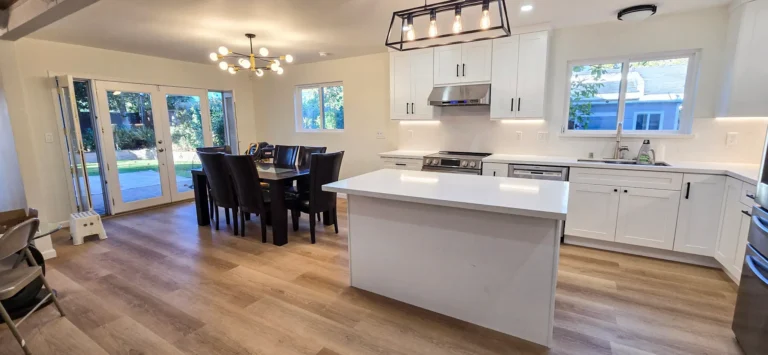
- Minor kitchen remodel: refreshing cabinets, countertops, and appliances without a full gut job
- Fiber-cement siding: durable, low-maintenance siding that holds strong resale value
- Heat pump/HVAC conversion: energy-efficient upgrades are increasingly valued by buyers and appraisers alike
Notice the theme: these are visible, functional, moderately priced improvements. None of them require a six-figure budget.
The Lowest ROI Remodeling Projects
On the other end of the spectrum, these projects tend to cost significantly more than they return:
- Upscale major kitchen remodel: full gut renovations with high-end finishes often return well under half their cost
- Upscale primary suite addition: a beautiful investment to live in, but rarely a break-even move at resale
- High-end backyard patios and outdoor living spaces: enjoyable, but buyers rarely pay a premium to match your specific build
- High-end home office conversions: niche upgrades that don’t universally appeal to buyers
- Swimming pools: one of the lowest-returning projects nationally, and a maintenance commitment many buyers actively avoid
This doesn’t mean these projects aren’t worth doing. It means you should go into them expecting to fund the difference yourself, because you’re renovating for your own enjoyment rather than resale value.
What This Means for East Bay Homeowners Specifically
A few factors shape how these national numbers translate locally:
Match your remodel to your neighborhood. A $30,000 kitchen refresh can significantly boost a $700,000 Oakland home, but that same budget barely moves the needle on a $2 million Piedmont property, where buyers expect a higher finish level. Renovating above or below what comparable homes nearby offer tends to hurt your return either way.
Selling soon vs. staying long-term changes the math. If you’re planning to sell within a year or two, prioritize the high-ROI exterior and minor-kitchen projects. If you’re remodeling to live in the home for the next decade, personal value matters more than resale percentage, and it’s reasonable to invest in the primary suite or backyard you actually want.
East Bay labor and material costs run above the national average, but so do home values. Higher project costs are partially offset by a market where buyers are willing to pay more for quality work. This is part of why the Pacific region consistently outperforms other parts of the country on remodeling ROI.
Quality of execution affects your actual return. A poorly installed garage door or a rushed kitchen refresh won’t return the percentages shown in national reports. These figures assume professional-grade work, not a discount install.
How to Prioritize Your Remodeling Budget
If maximizing resale value is a factor in your decision, a reasonable approach looks like this:
- Start with exterior upgrades: garage door, entry door, siding, and landscaping have the best cost-to-value ratio of nearly any home project.
- Move to a minor kitchen refresh before considering a full gut renovation, unless the kitchen is functionally outdated or unsafe.
- Treat major additions, luxury primary suites, and pools as lifestyle investments rather than resale strategies, and budget for them accordingly.
- Get a second opinion on scope before committing to a large project. A licensed contractor can often show you where a smaller, more targeted renovation delivers most of the visual and functional impact at a fraction of the cost.
The Bottom Line on East Bay Remodeling ROI
The projects that pay for themselves tend to be smaller, more visible, and easier to complete than the ones homeowners assume will boost value most. If resale return matters to your decision, lead with the exterior and minor kitchen work. If you’re remodeling for how you live day to day, the ROI numbers matter less than getting the details right.
At Lions Gate Remodeling, we walk East Bay homeowners through this trade-off on every project, whether the goal is maximizing resale value or building the home you plan to stay in for years. If you’re weighing where to put your remodeling budget, contact our team and we’ll help you figure out what actually makes sense for your property.
ROI figures referenced above are based on national and Pacific-region averages from published cost vs. value industry research and are intended as general guidance. Actual returns vary by property, market conditions at time of sale, and quality of installation.